
The fashion industry has long been a world of glitz, glamour, and exclusivity. Yet, in the face of the modern world’s demand for innovation and accessibility, the traditional runway shows and fashion presentations are evolving at a rapid pace.
Technology and photography are leading this transformation, particularly with the rise of virtual fashion shows. The advent of virtual shows has opened up new avenues for brands to connect with global audiences, enhance the fashion experience, and even push the boundaries of creativity.
In this post, we’ll explore how technology and photography are reshaping the fashion industry, focusing on the importance of high-quality AV equipment and photography in delivering seamless, immersive experiences.
The role of technology in virtual fashion shows is more than just about live-streaming; it’s about creating an experience that feels real, accessible, and memorable.
The Rise of Virtual Fashion Shows
Over the past decade, fashion has embraced the digital revolution in ways that were once unimaginable. From social media influencers shaping trends to brands establishing e-commerce platforms, the industry has had to adapt.
However, nothing has been as groundbreaking as the rise of virtual fashion shows, which gained significant momentum during the COVID-19 pandemic. What started as a necessity during lockdowns has now become a permanent fixture in the fashion industry.
Virtual fashion shows allow brands to present their collections to a global audience without the limitations of geographical boundaries, physical venues, or exclusive guest lists. For fashion houses, this has been a game-changer, enabling them to reach more people and offer their shows to fans, buyers, and influencers from all corners of the world. With the right mix of technology, these shows can be streamed live or presented in pre-recorded formats, allowing for greater flexibility and reach.
How Technology Enhances Virtual Fashion Shows
The integration of advanced technology into virtual fashion shows has elevated the entire experience. From the use of 3D renderings and virtual models to immersive environments created with augmented and virtual reality (AR/VR), technology has expanded the boundaries of creativity and audience interaction.
Brands can now design and showcase collections in entirely new ways that are not possible in traditional runway formats. For instance, virtual models or even holograms can be used to showcase designs in innovative ways.
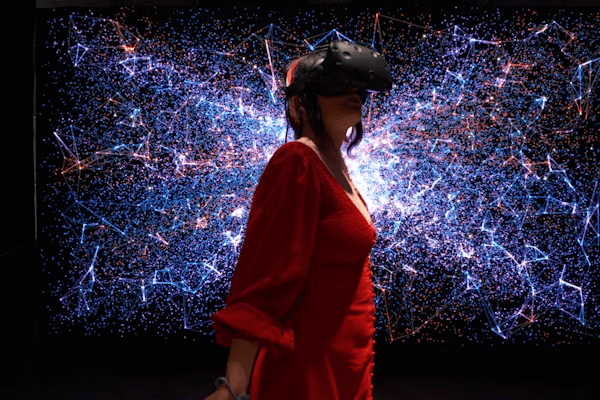
Some fashion houses have even collaborated with video game companies to create fully interactive virtual fashion experiences, where attendees can engage with the brand's offerings by exploring virtual stores or customizing garments.
The Importance of AV Equipment in Virtual Fashion Shows
While photography and digital models are central to creating an immersive fashion experience, the quality of the AV equipment used to capture and stream the show is equally critical.
The AV infrastructure is responsible for everything from streaming the show to multiple platforms to ensuring that the visuals are high-definition, free from lag, and easily accessible to a global audience. This is especially true for fashion shows, where details matter, and the experience needs to be seamless and polished.
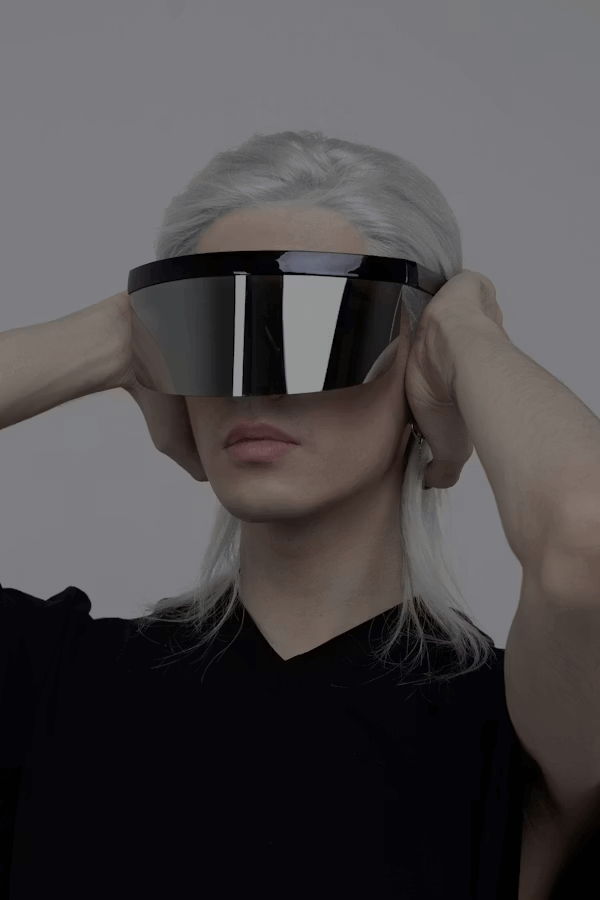
To achieve this, fashion brands need to invest in professional-grade AV solutions. With the right tools, brands can ensure their virtual fashion shows are broadcast in stunning quality, whether pre-recorded or live-streamed. For example, you can shop Creation Networks for video conference systems and high-definition cameras, plus streaming solutions to help elevate a virtual fashion show.
By investing in the right AV equipment, fashion brands can enhance the production value of their virtual shows, ensuring they meet the expectations of both their audience and industry professionals.
Photography: The Key to Immersive Fashion Experiences
In the digital era, photography plays an indispensable role in virtual fashion shows. Not only does it capture the essence of the clothing being showcased, but it also translates the atmosphere and mood of the event. A picture can speak volumes, and in a virtual setting, it has the power to create the visual storytelling that pulls viewers into the world of the brand.
High-end photography equipment is essential for capturing the intricate details of each design and for showcasing the fabrics, colors, and textures at their best.
Lighting is one of the most critical factors in fashion photography, especially in a virtual show. High-quality lighting setups ensure that the designs are displayed in the best possible way, enhancing their texture and movement. When combined with the right AV solutions, the entire experience is enhanced for the viewer, making them feel as though they are attending a physical fashion show rather than watching it on a screen.
The technology behind virtual fashion shows also allows for seamless transitions between segments, multiple camera angles, and even 360-degree views of the collections.
Virtual Fashion Shows: A New Era of Inclusivity
One of the most significant advantages of virtual fashion shows is the level of inclusivity they offer. Traditional runway shows were often limited in accessibility, open only to invited guests, VIPs, and media professionals. With virtual fashion shows, anyone with an internet connection can attend and experience the show in real-time, from anywhere in the world.
This inclusivity not only expands the audience but also allows for more diverse voices and talents to be recognized. Virtual platforms can host interactive features, such as live chat, polls, and Q&A sessions, which give viewers a sense of involvement and participation.
The Future of Virtual Fashion Shows
As technology continues to evolve, the potential for virtual fashion shows is limitless. Fashion brands are beginning to explore even more groundbreaking ways to use technology in their presentations.
The next frontier could include fully immersive virtual reality shows where viewers feel as though they are physically present at the event, experiencing the collections in three dimensions.
Furthermore, AI-powered tools could enable personalized experiences, allowing viewers to see how certain designs look on them or to have a virtual shopping experience in real time.
Final Thoughts
Virtual fashion shows are revolutionizing the way the fashion industry presents its collections. With technology and photography, brands are pushing the boundaries of creativity and accessibility, providing immersive, engaging experiences that were once limited to an exclusive few.
By leveraging technology, photography, and AV solutions effectively, the future of fashion is bound to be more innovative and inclusive than ever before.