
Many women immersed in fashion and lifestyle content know the pressure: eat less, stay thin, fit into a certain appearance. For years, social rules taught that food was about control and restriction. That old standard often turned meals into a stress point rather than a source of nourishment.
But now, a new movement led by fashion influencers and lifestyle creators is changing the narrative. Healthy eating is no longer about deprivation. It is about embracing food as a vital part of self-care and personal style. It fuels your body for confidence, energy, and creative expression.
Focusing on Balanced Nutrition, Not Restriction
Remember the diet shake commercials from the 1990s and early 2000s? If you were around, you know how popular it was to drink your meals instead of eating actual food. You could argue that protein shakes have assumed the throne of the liquid meal replacement mantra. Nonetheless, women are ditching the rules about what they can and can’t eat.
While it can be helpful to be mindful of how many calories you need, restriction isn’t the focus. Balanced nutrition is. Incorporating healthy meal kits and recipes is one way women are listening to what their bodies need. It’s about filling your plate with appetizing foods with enough protein, carbs, and healthy fats. And yes, eating sweets when it feels right.
Examples include dark chocolate, bran muffins, and oatmeal raisin cookies. The focus is less on seeing certain foods as “off limits” and instead embracing meals as a source of nourishment. You may need an extra helping of pasta with a fresh veggie sauce one afternoon. The next day, you grab a lighter breakfast with a cup of yogurt and fruit. Regardless, balanced nutrition is about listening to your body’s hunger and fullness signals.
Adopting Intuitive Eating Practices
Speaking of listening to your body’s cues, intuitive eating is a practice more women are adopting as a form of self-care. If you’re unfamiliar with intuitive eating, it’s not a diet. Unlike a diet, you don’t eliminate or limit specific foods. Furthermore, the focus isn’t to lose weight.
Rather, it’s to take a slower approach to eating and meal planning. With a diet, you would probably ignore a grumbling stomach at 11 am if it wasn’t “time” to eat yet. You’d also ignore other signs of hunger, such as irritability and poor concentration, if you’d met your calorie limit for the day. An intuitive eating practice is to listen to your hunger cues and feed them.
You don’t ignore good nutrition, however. You’d reach for a handful of nuts instead of chips. But intuitive eating also allows you to eat what you’re craving when it sounds appetizing. You can enjoy the holiday desserts without the guilt because the next day, you may have a light lunch. It’s about balance and not seeing food as something you have to fight against.
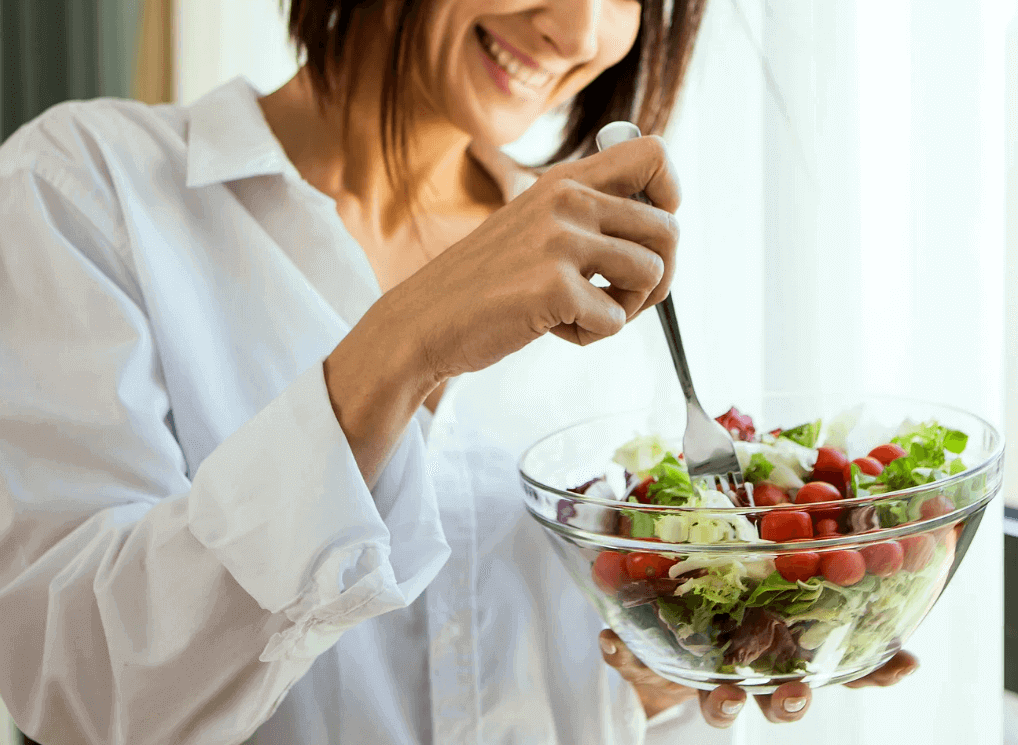
Viewing Nutrition as Part of a Holistic Health Plan
With diet culture, eating takes center stage. As long as you use food to enhance your appearance, you must be “in good shape.” However, just because you achieve a certain number on the scale, it doesn’t mean you meet the definition of health. The same goes for reshaping your body to fit or come closer to a specific type. Genetically, not everyone is meant to look like a runway model.
Women have started to embrace a variety of body types as healthy. A holistic health plan isn’t about using food to try to get your physical appearance to adhere to a certain look. It’s about viewing nutrition as one component that can and should be supported by other practices.
Think about getting enough sleep at night, managing stress, and honoring mental well-being. Holistic health strategies are as individual as they are varied. For example, people with a more sensitive nervous system may need more downtime and stress relief than others. Nutrition, such as easy-to-prep healthy meals, can be a part of a holistic strategy. But like exercise, nutrition works in tandem with other aspects of a health-benefitting lifestyle.
Playing the Long Game
Diets fail because it’s not realistic to keep restrictions in place for a long time. It’s challenging enough to forgo the carbs from one meal to the next if you’re on Keto. Eventually, you cave into the bread and pasta cravings. A similar thing happens if you try to eliminate all sweets. The candy jar calls sooner rather than later.
Redefining self-care by healthy eating means making small modifications you can stick with. Women are saying consistency wins over short-term, often drastic changes. Maybe you want to eat more produce. So, you start adding an extra serving of fruits or vegetables each day. Instead of plain marinara sauce, you stir in carrots and zucchini.
Another example is switching from soda to unsweetened iced tea. You don’t quit soda cold turkey, but you stop drinking it at every lunch and dinner. Perhaps you cook at home twice a week instead of ordering takeout five nights in a row. These are small food-related decisions with satisfying long-term results. Again, the goal isn’t necessarily appearance-related but about nourishing your body with proper nutrition.
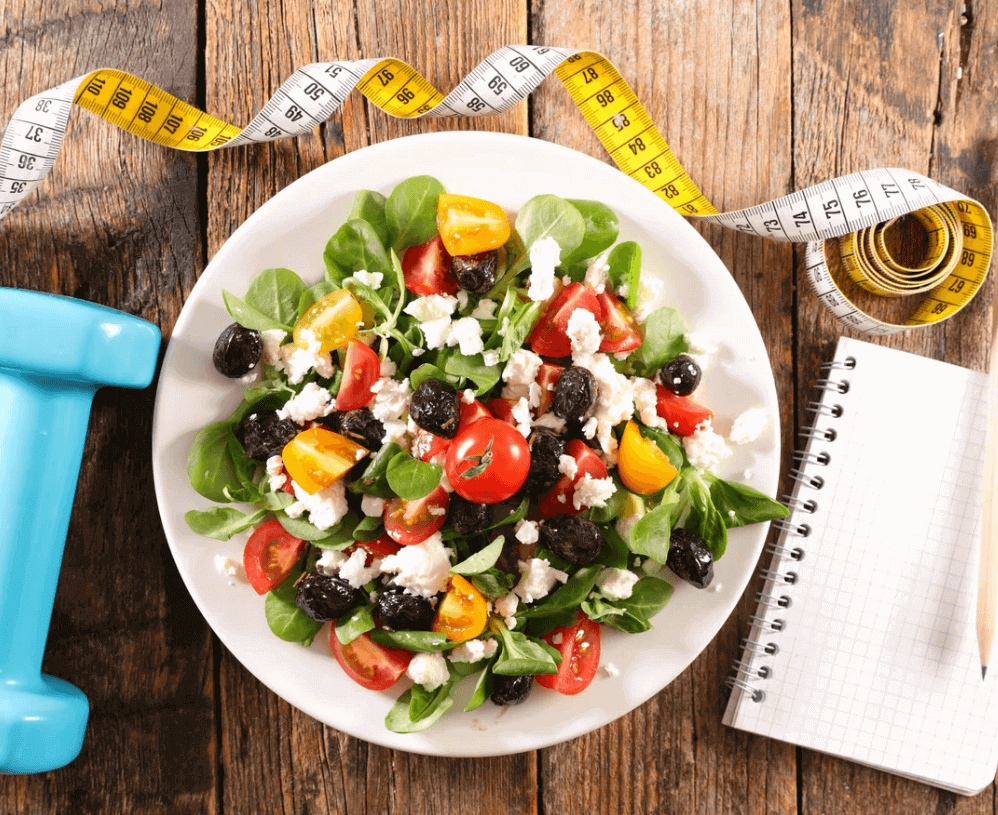
Self-Care, Reshaped
Redefining self-care through healthy eating is becoming part of the fashion-forward lifestyle many women embrace today. Nutrition is no longer a hidden rulebook or a source of guilt. Instead, it supports energy, mood, and a sense of balance that complements personal style. Fashion influencers are proving that what you eat can reflect your values and help you feel your best. When food becomes a tool for wellness, not a weapon of control, the result is a lifestyle that looks good and feels even better.