
Life as a fashion influencer can be exciting and creative, but it can also be stressful and emotionally heavy. Behind the curated photos and trendsetting looks, many influencers carry pressures that most people never see. For some, stress from past experiences or public scrutiny can lead to Post-Traumatic Stress Disorder or PTSD.
One treatment that has helped many people, including those in the public eye, is EMDR therapy. EMDR stands for Eye Movement Desensitization and Reprocessing. This type of therapy helps people process painful memories so they do not control their emotions or actions anymore.
In this article you will learn what EMDR therapy is, how it works, and why it can be helpful in treating PTSD especially for fashion creators trying to balance their mental health with life in the spotlight.
What Is EMDR Therapy?
EMDR therapy is a structured psychotherapy technique developed by Francine Shapiro in the late 1980s. It helps individuals process traumatic memories in a way that reduces their emotional impact.
The therapy is based on the idea that trauma disrupts the brain’s natural ability to heal. When a person experiences something traumatic, the memory can become “stuck” in the brain. EMDR helps reprocess those memories so the person can move forward without being overwhelmed by them.
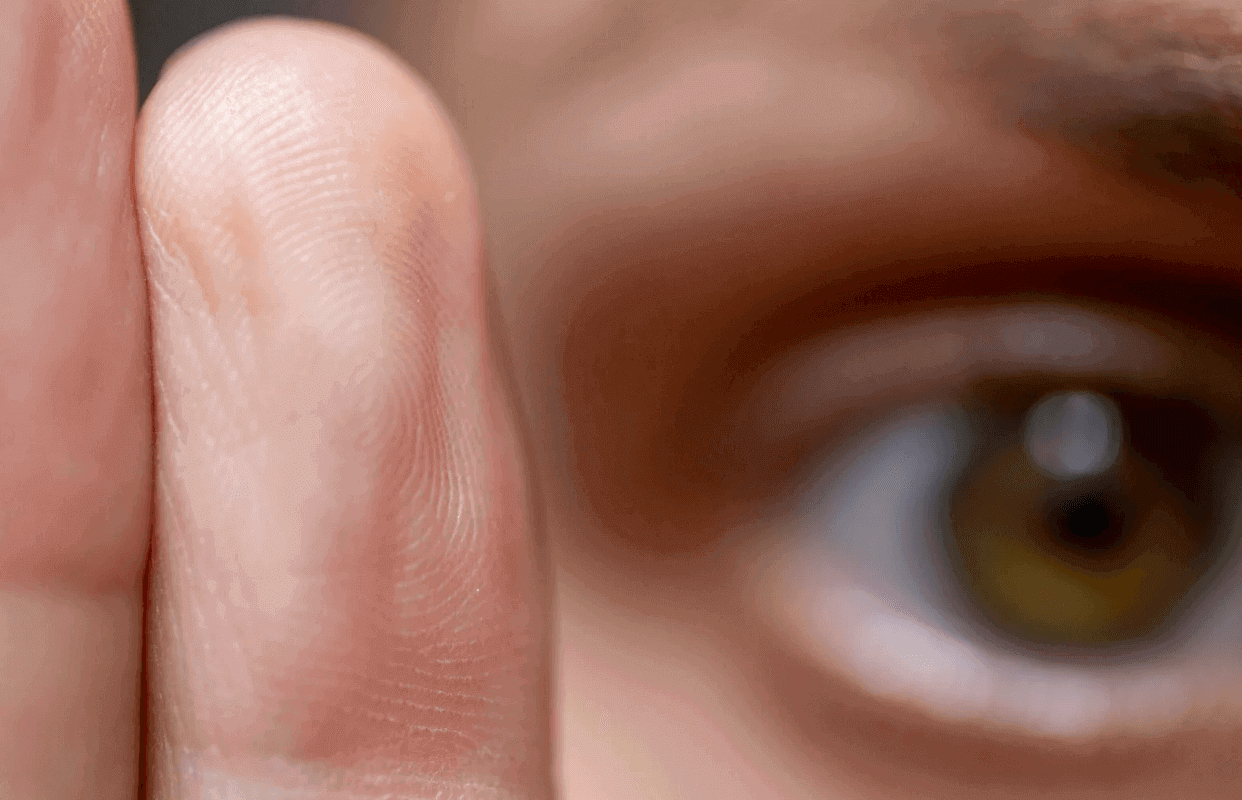
During an EMDR session, the therapist asks the client to recall a disturbing memory while following a set of bilateral stimuli, such as side-to-side eye movements, tapping, or auditory tones. This process seems to reduce the emotional intensity of the memory.

How Does EMDR Help People With PTSD?
PTSD symptoms often include flashbacks, nightmares, severe anxiety, and emotional numbness. EMDR targets the root cause—unprocessed traumatic memories—and helps rewire how the brain stores and responds to them.
Here's how EMDR helps with PTSD:
1. Desensitizing Traumatic Memories
EMDR reduces the emotional charge of traumatic memories. After several sessions, many clients report that the memory feels distant or less painful.
2. Improving Emotional Regulation
People with PTSD often experience sudden emotional triggers. EMDR helps them gain more control over their reactions by resolving the original trauma.
3. Restoring Self-Esteem
Trauma often leads to distorted self-beliefs like “I’m not safe” or “I’m broken.” EMDR includes a phase focused on replacing these negative thoughts with positive, empowering ones.
What Does an EMDR Session Look Like?
EMDR is an eight-phase treatment. Here’s a brief overview:
1. History-taking – The therapist gathers information about your history and identifies target memories.
2. Preparation – You learn relaxation techniques and build trust with the therapist.
3. Assessment – The therapist identifies the vivid image, emotions, and beliefs linked to the trauma.
4. Desensitization – You recall the memory while performing bilateral stimulation (like eye movements).
5. Installation – Positive beliefs are introduced and strengthened.
6. Body Scan– Physical responses are observed to ensure residual stress is cleared.
7. Closure – The session ends with grounding techniques.
8. Re-evaluation – The next session reviews progress and identifies new targets.
What the Research Says
EMDR therapy is not just anecdotal—it’s backed by solid research.
– A meta-analysis of 26 randomized controlled trials found that EMDR significantly reduced PTSD symptoms compared to no treatment or placebo. In fact, it was found to be just as effective as Cognitive Behavioral Therapy (CBT), one of the most well-known treatments for PTSD [1].
– The American Psychological Association (APA) and World Health Organization (WHO) both recognize EMDR as an effective treatment for PTSD.
– According to the U.S. Department of Veterans Affairs, about 77% of combat veterans with PTSD saw meaningful improvement with EMDR therapy [2].
These numbers highlight that EMDR is more than a trend—it’s a scientifically validated method for healing trauma.
Advantages of EMDR Over Other Therapies
While every therapy has its place, EMDR has some unique benefits:
– Doesn’t require detailed verbal recounting: Unlike talk therapy, EMDR does not require clients to explain every detail of the trauma, which can be emotionally exhausting.
– Faster results: Some people notice improvement after just a few sessions, especially for single-event traumas.
– Less focus on homework: Unlike CBT, EMDR places less emphasis on assignments outside of therapy, which can be helpful for people feeling overwhelmed.
Is EMDR Right for Everyone?
While EMDR is highly effective, it might not be ideal for everyone. People with complex trauma, dissociative disorders, or unstable living environments may need a more tailored approach. Also, it should only be conducted by trained professionals certified in EMDR therapy.
If you're considering EMDR, speak to a licensed therapist who can evaluate your unique situation and determine the best course of action.
Final Thoughts
PTSD and emotional stress can feel overwhelming no matter who you are, but especially for influencers whose work depends on creativity and confidence. EMDR therapy offers a supportive way to process difficult memories and reduce their hold on your present life.
If the pressure of content creation, public attention, or past experiences is affecting your well being, EMDR might be a good option to explore. Talk with a licensed mental health professional who can guide you and help decide what treatment is right for you.
Taking care of your mental health is as important as refining your personal style. When your mind feels lighter and more grounded you can show up in your content with more authenticity and joy.
__
References:
[1] Cuijpers, P. et al. (2020). “A meta-analysis of cognitive-behavioral therapy and EMDR for PTSD.” Psychological Medicine.
[2] U.S. Department of Veterans Affairs. (2023). “PTSD: National Center for PTSD.” https://www.ptsd.va.gov/