
When it comes to creating custom apparel, most people focus on the design, the colors, or the printing method. But one crucial factor often gets overlooked—the fabric. The material you choose is more than just the canvas for your art. It’s the foundation that determines how your print looks, feels, and lasts.
Whether you’re designing a limited run of shirts or producing a new fashion line, understanding fabric blends and texture can make the difference between a vibrant, long-lasting print and one that fades or cracks after a few washes.
The Science Behind Fabric Blends
A fabric blend is simply a mix of two or more fibers woven together to create a specific balance of strength, comfort, and flexibility. Common blends include cotton and polyester, cotton and spandex, or tri-blends that combine cotton, polyester, and rayon. Each of these combinations reacts differently when exposed to ink, heat, and pressure during printing.
Cotton is one of the most popular materials because it absorbs ink well and gives designs a bright, natural finish. However, it can shrink over time, and the colors may fade faster if not treated properly. Polyester, on the other hand, is durable and holds its shape, but it doesn’t absorb ink as easily, which can affect print vibrancy. Tri-blends offer a middle ground—they’re soft, lightweight, and flexible, while still maintaining decent color retention.
This is where a DTF printer can make a big difference. Direct-to-film printing uses heat and adhesive to transfer ink directly onto fabric, which means it can handle a wider range of materials, including those that are harder to print on like polyester blends. It gives creators more freedom to choose the right blend for their design without worrying about poor adhesion or faded results.
Texture: The Hidden Ingredient for Print Quality
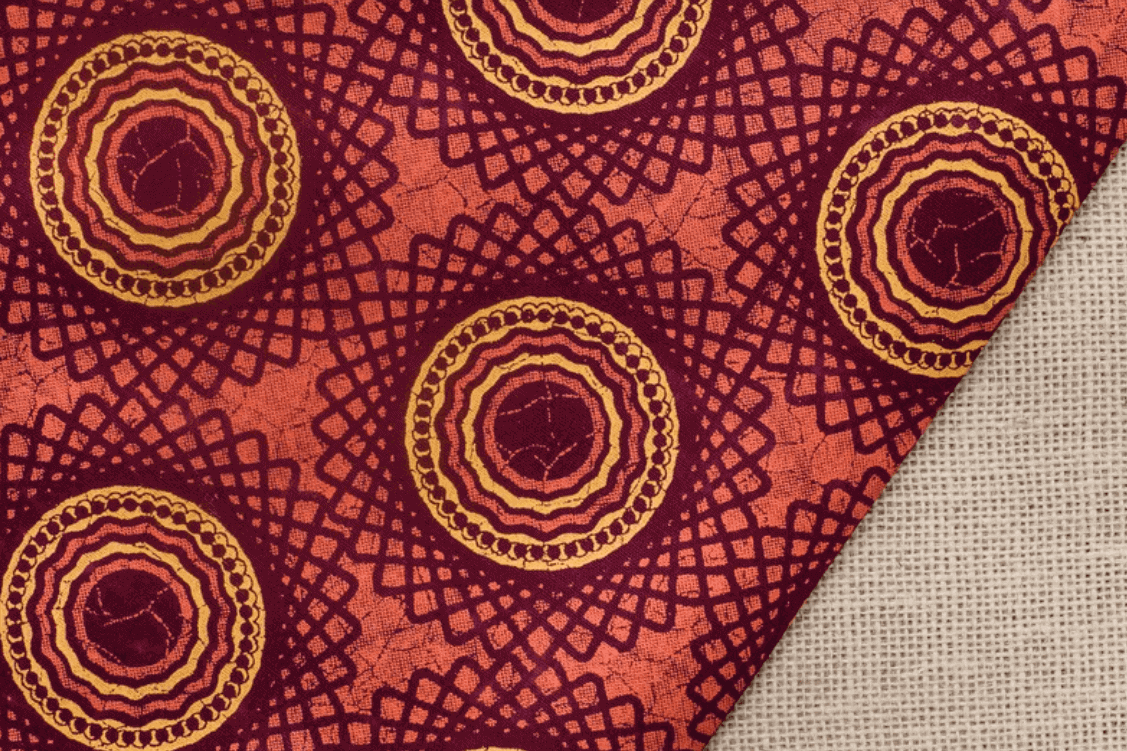
Texture plays a big role in how your final design looks and feels. It’s not just about the softness of the fabric but about how smooth or coarse the surface is. A tightly woven fabric offers a smooth surface that allows the ink to sit evenly, producing sharp, clear images. A rougher surface, however, can break up the ink layer, making prints appear slightly uneven or faded.
Think of texture as the handshake between your fabric and your print. A good match feels solid and leaves a strong impression. A bad match can ruin even the most well-designed artwork. Smooth textures like jersey or fine-knit cottons are ideal for detailed prints, while fabrics with more texture, like canvas or linen, are better suited for larger, bolder designs where precision isn’t as critical.
Durability: Ensuring Prints Stand the Test of Time
The durability of your print depends on more than just the quality of the ink. It starts with the fiber itself. Stronger fabrics resist stretching, fading, and tearing, which helps maintain both shape and print quality over time. The process of applying heat or curing the ink also affects longevity. If the curing temperature isn’t right for the material, the design can peel or crack prematurely.
To make prints last, washing habits matter too. Using cold water, turning garments inside out, and air-drying instead of using a hot dryer can extend a print’s life. Choosing pre-shrunk or treated fabrics also helps reduce wear and tear over repeated washes.
Sustainability is another part of durability. Fabrics made from organic cotton, bamboo, or recycled polyester often perform just as well as traditional materials while being more environmentally friendly. These fabrics tend to last longer because they’re produced with fewer harsh chemicals that weaken fibers.
Matching Fabric Type to Printing Method
Not all fabrics pair well with every printing technique. The right match can mean fewer production issues and better-looking results.
Screen printing works best on 100 percent cotton or cotton-heavy blends because of their absorbent nature. Sublimation printing, on the other hand, is perfect for polyester since it bonds with synthetic fibers at a molecular level. Heat transfer printing can handle many materials, but fabrics with too much stretch can cause cracks in the design over time.
That’s why many designers now turn to DTF printing. It offers versatility across multiple fabric types, delivering high-quality prints on both natural and synthetic blends. Whether it’s a thick hoodie or a lightweight t-shirt, DTF can adapt, which makes it ideal for small businesses and custom apparel makers experimenting with different materials.
A good rule of thumb is to test your design on a sample piece before committing to a full run. This helps ensure that the ink, heat, and pressure all interact well with your chosen material.
Sustainability in Material Choice
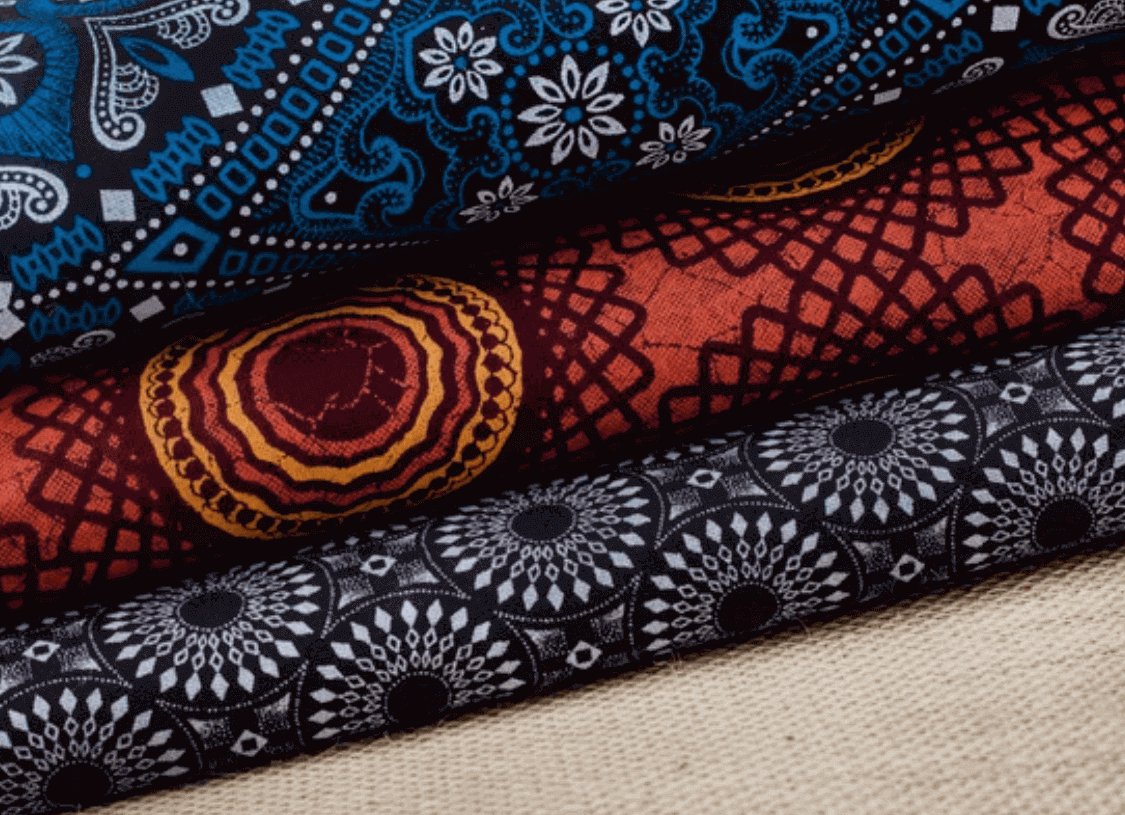
As the fashion and print industries evolve, sustainability has become more than a trend—it’s a necessity. Choosing eco-friendly fabrics reduces waste and ensures your products last longer. Organic cotton, for instance, is grown without harmful pesticides, making it gentler on both the planet and the wearer’s skin. Bamboo and hemp fabrics are gaining attention for their natural durability and moisture-wicking properties.
Recycled polyester is another sustainable choice that keeps plastic out of landfills while offering the same resilience as traditional polyester. When combined with durable printing methods, these materials can produce prints that not only look good but also stand for something meaningful.
Choose Smart, Print Smarter
The fabric you choose determines how your artwork lives on the garment. It influences how vibrant your colors appear, how long your print lasts, and how comfortable your clothing feels. Taking time to understand fabric blends, texture, and durability helps avoid common printing mistakes and gives your designs a professional edge.
In the end, printing isn’t just about putting ink on fabric—it’s about creating something that looks great and stands the test of time. Choose smart, and your prints will speak for themselves long after the first wash.